










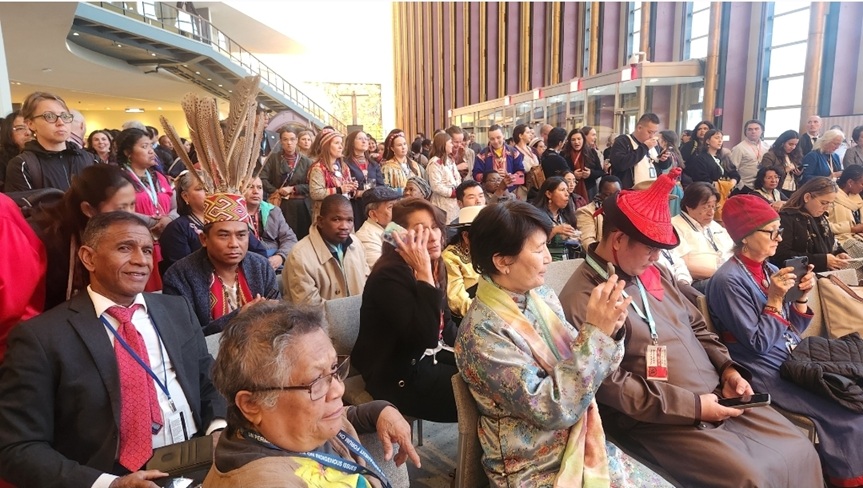



One of the United Nations’ Most Important Annual Indigenous Gatherings
The 25th Session of the United Nations Indigenous Issues Conference in New York, held over two weeks, is one of the most important annual United Nations events dedicated to Indigenous Peoples worldwide. The Bonaire Human Rights Organization (BHRO) was represented throughout the session by its President, Davika Bissessar Shaw, and Founder, James Finies.
The Conference brings together Indigenous representatives and leaders from peoples such as the Māori of New Zealand, the Sami of the Arctic, the Maya of Central America, the Mapuche of Chile, the Inuit of Canada and Greenland, Native American Nations, Aboriginal Peoples of Australia, the Ainu of Japan, Tibetan and Uyghur Indigenous communities from China, and Indigenous peoples from the Caribbean, Africa, and the Pacific.
This year’s session focused on Indigenous Peoples’ health in the context of conflict, a theme BHRO stated strongly reflects Bonaire’s realities of structural inequality, environmental pressure, unresolved self-governance, and the rapid demographic displacement of the natives Indigenous Bonairean people, reduced from nearly 80% to less than 30% in fifteen years.
During the session, BHRO participated in and made several speeches throughout more than 50 debates, side events, exhibitions, and cultural gatherings addressing decolonization, land rights, Indigenous education, language preservation, climate migration, reparatory justice, environmental resource exploitation, Indigenous data sovereignty, and strengthening Indigenous institutions. BHRO also submitted a formal complaint, including recommendations regarding the Bonaire case, to the 25th Session of the United Nations Session on Indigenous Issues.
BHRO once again shared Bonaire’s dire situation with Indigenous peoples and human rights lawyers and institutions from around the world and stated that it plans to bring home the knowledge, international networks, strategic contacts, and shared experiences gained during the conference to strengthen Indigenous awareness, human rights education, and the continued international struggle for Bonaire’s recognition, protection, and self-determination.