








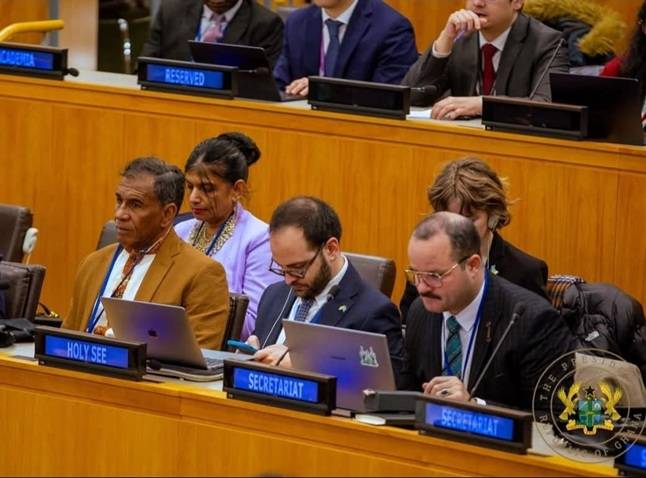
New York — Behind closed doors at the United Nations, the truth of history was contested. The Bonaire Human Rights Organization (BHRO), Associate Member of CARICOM Reparations Commission directly witnessed these negotiations as Member States debated whether the transatlantic enslavement of Africans should be recognized as the gravest crime against humanity.
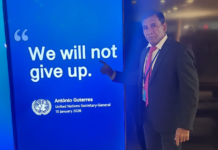
BHRO participated in six informal consultations as observers held from 5 to 16 March 2026 on the draft resolution led by Ghana in collaboration with United Nations Member States. Even the term “gravest” became a point of intense debate—revealing deep divisions, with many states ultimately abstaining from the final vote.
On 25 March in the General Assembly Hall—marking the International Day of Remembrance of the Transatlantic Slave Trade—James Finies and Davika Bissessar Shaw witnessed Member States voted on the landmark resolution declaring the transatlantic chattel enslavement of Africans the “gravest crime against humanity,” despite strong resistance during negotiations from several countries, including Holland and other former European colonial powers, that sought to dilute the language and obscure the full truth of this darkest chapter in history.
However, Ghana, together with African States and Caribbean nations—including Barbados, Antigua and Barbuda, Saint Kitts and Nevis, and The Bahamas and others, as co-sponsors of the resolution—stood firm. Without consensus, they refused to retreat or compromise and instead brought the matter before the General Assembly, allowing the international community to decide democratically through a vote.
Invoking John Dramani Mahama, who echoed Franklin D. Roosevelt—“Neutrality between right and wrong is to serve wrong”—despite the tense, high-stakes process witnessed by BHRO, the resolution was ultimately adopted, marking a critical step toward truth, accountability, and reparatory justice.
The voting results underscored a clear global position: 123 Member States voted in favor, 3 voted against, and 52 abstained—primarily European Union countries, including the Netherlands, which did not support the resolution. This position undermines the credibility and sincerity of the Dutch apology, rendering it effectively meaningless, and exposes a clear example of hypocrisy on the world stage.
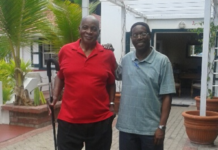
Later in the evening BHRO delegation attended a private reception at Marriott Marquis Hotel in Manhattan by invitation of the President of Ghana, John Dramani Mahama, including a seated dinner with him, the Foreign Minister, Samuel Okudzeto Ablakwa, King Kwasi Kyei Darkwah, and the full Ghanaian delegation from both the Ghana Mission in New York and Geneva and the Ministry, where the President reflected on the origins of the resolution and shared his personal experiences before and after its historic adoption.
This moment underscored the importance of Bonaire and the Bonaire Human Rights Organization in ongoing global efforts toward truth and justice.