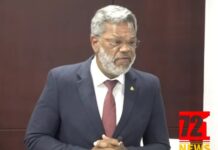




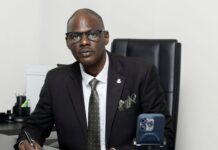




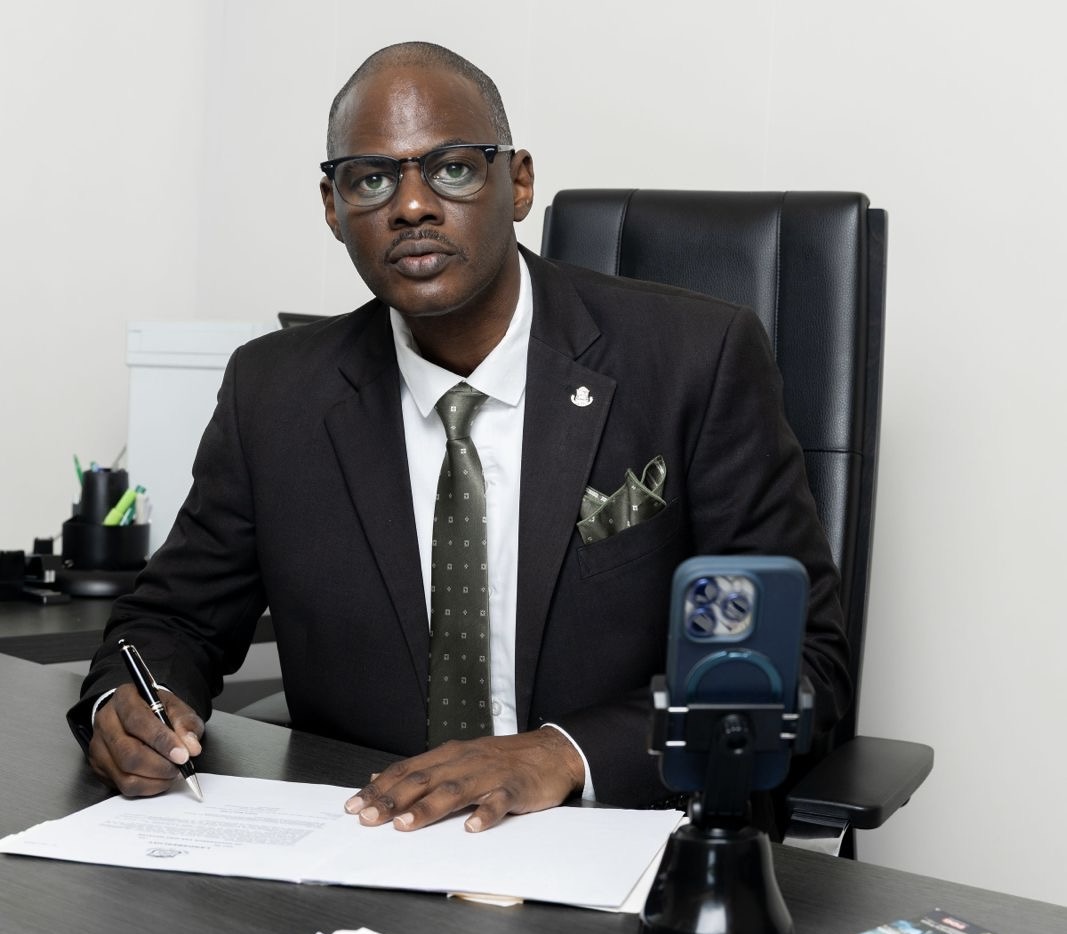



PHILIPSBURG — Following the recent St. Martin Day celebrations and discussions surrounding the Kingdom summit, former Minister of Public Health, Social Development and Labor and former Member of Parliament Richinel S.J. Brug believes Sint Maarten continues to overlook one fundamental question: what have we actually done with the responsibilities and opportunities we obtained on October 10, 2010?
“While we celebrate our identity and discuss our relationship within the Kingdom, we are not sufficiently addressing the unfinished work of 10-10-10. We spend considerable time discussing what others should do for Sint Maarten, but not nearly enough examining what we ourselves have done with the authority entrusted to us.”
“Before we look to resolve our problems on a kingdom level. We must first and foremost work as 1 government and move away from ministries working in silos. We must also stop destroying our own. The fist is mightier than the finger.”
According to Brug, country status cannot be measured simply by having a Parliament, Council of Ministers and government institutions. It must be measured by the opportunities created and the quality of life of the people those institutions serve.
“What does country status mean to a senior struggling to afford groceries, a working parent choosing between paying GEBE and buying food, or a young Sint Maartener unable to afford a home in the country of their birth? Sixteen years later, these are the questions that matter.”
Sixteen years later, what remains unfinished?
Brug questioned why Sint Maarten continues to face outdated labor legislation, inadequate retirement security, unresolved legal-position and placement issues affecting Justice workers, staffing challenges throughout the civil service and public institutions whose effectiveness remains a concern.
He specifically called for a serious evaluation of institutions responsible for integrity, accountability and protecting citizens’ rights.
“What is the purpose of an Integrity Chamber if questions remain about its effectiveness and powers? And have we seriously asked the Ombudsman what budget, staffing and support are necessary to properly fulfill its constitutional mandate? Establishing institutions is not enough. They must function and deliver results.”
Brug stressed that while the constitutional relationship within the Kingdom presents challenges, Sint Maarten must also take responsibility for what falls within its own authority.
*Autonomy must mean accountability. We cannot continue looking elsewhere for explanations while leaving our own responsibilities unfinished.”
Country status must be felt by our people
Brug believes the country must confront both the immediate hardships facing families and the longer-term responsibilities of nation-building.
He identified several priorities requiring concrete action:
– Cost of living and social protection: Provide meaningful relief to struggling households, strengthen social assistance and protect working families and seniors.
– Government debt: Establish binding repayment arrangements with SZV and other institutions owed money by Government, supported by annual budget allocations and transparent reporting.
– Modern labor and retirement security: Update outdated labor laws, strengthen workers’ rights and introduce a mandatory supplementary pension system.
– Education, culture and national identity: Finalize Sint Maarten’s official national anthem and introduce mandatory reading featuring local authors, artists, historical figures and the island’s heritage.
– Sports and national representation: Develop national sports teams and expand opportunities for athletes to represent Sint Maarten regionally and internationally wherever eligibility permits.
– Economic opportunity: Rebuild the middle class, support local entrepreneurs, expand affordable housing and create opportunities for young people and the diaspora to build their futures at home.
“We cannot measure national development only by buildings, tourist arrivals or government revenue. We must ask who benefits. Are our people becoming owners in their own economy? Can our children build a future here? Can our seniors retire with dignity?”
Nation-building requires more than institutions
Brug emphasized that completing the promise of 10-10-10 also means developing a stronger national identity, responsible citizens and a shared vision for the country’s future.
“Sixteen years after becoming a country, have we sufficiently defined the nation we want to become? Do our children know our history, our cultural pioneers and the people who helped build Sint Maarten? What values and opportunities are we leaving behind for the next generation?”
He stressed that nation-building requires more than government policies. It demands strong families, engaged communities, national pride and a commitment to ensuring that progress benefits everyone.
The next sixteen years must be different
“We cannot change the first sixteen years, but we can determine what the next sixteen will look like. We must strengthen our institutions, modernize our legislation, invest in our people and create opportunities that allow every generation to inherit a stronger Sint Maarten.”
“10-10-10 gave us country status. What we do with it must give our people a better life. The real achievement will not be that we became a country, but that we succeeded in building a nation where our people can live with dignity, opportunity and pride.”