GREAT BAY, Sint Maarten (DCOMM) – As Caribbean Nutrition Month June 2026 comes to an end, the Collective Prevention Service (CPS), a department within the Ministry of Public Health, Social Development and Labor (VSA), is encouraging residents to continue embracing healthy eating and active living as part of their everyday lifestyle.
Observed throughout the month of June under the theme “Healthy Eating, Active Living: Promoting Caribbean Foods as Medicine,” Caribbean Nutrition Month highlighted the important role that nutritious foods and regular physical activity play in preventing chronic diseases and improving overall health and well-being.
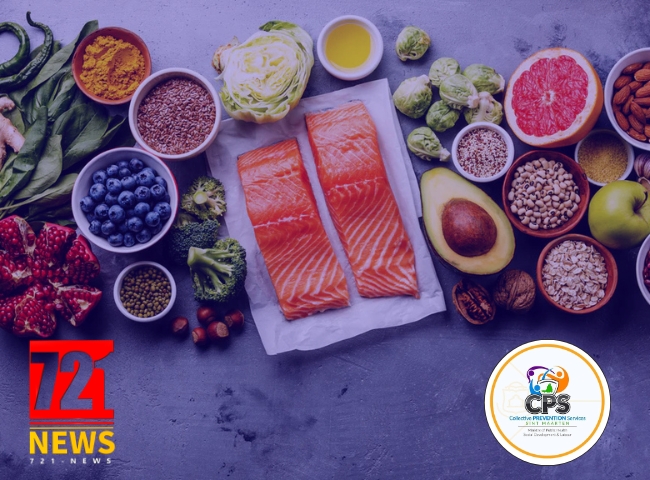
The month-long observance served as a reminder that many of the foods traditionally grown and consumed throughout the Caribbean are naturally rich in essential vitamins, minerals, fibre, and antioxidants that contribute to good health. Locally grown fruits, vegetables, legumes, peas, beans, ground provisions, herbs, and fresh seafood can all form part of a balanced diet that supports healthy living and reduces the risk of non-communicable diseases (NCDs).
CPS notes that non-communicable diseases, including diabetes, hypertension, heart disease, obesity, and certain cancers, continue to be among the leading causes of illness and premature death throughout the Caribbean. Many of these conditions are preventable through healthier eating habits, regular physical activity, maintaining a healthy weight, and avoiding tobacco and excessive alcohol consumption.
The theme “Promoting Caribbean Foods as Medicine” also recognizes that traditional Caribbean foods are more than part of the region’s cultural heritage—they can be powerful tools for promoting health and preventing disease. Choosing fresh, locally produced foods over highly processed products that are often high in salt, sugar, and unhealthy fats can significantly improve long-term health outcomes.
“Healthy nutrition should not end when Caribbean Nutrition Month comes to a close,” CPS stated. “The choices we make every day about the foods we eat have a direct impact on our health. By incorporating more fresh Caribbean produce into our meals and remaining physically active, we can reduce the risk of chronic diseases and improve our quality of life.”
CPS encourages families to continue preparing balanced meals at home, increase their daily intake of fruits and vegetables, reduce the consumption of sugary drinks and processed foods, and make physical activity a regular part of their daily routine. Parents are also encouraged to establish healthy eating habits early in their children’s lives, helping to build a foundation for lifelong health.
Residents are reminded that healthy living extends beyond nutrition alone. Adequate hydration, sufficient sleep, regular exercise, stress management, and routine medical check-ups all contribute to overall physical and mental well-being.
Supporting local farmers and purchasing locally grown produce also contributes to stronger food security, a healthier environment, and a more resilient local economy. By choosing Caribbean-grown foods whenever possible, residents can enjoy fresh, nutritious products while supporting the agricultural sector.
Although Caribbean Nutrition Month concludes at the end of June, CPS encourages the community to continue applying the knowledge gained throughout the month by making healthier food choices every day. Small, consistent lifestyle changes can have lasting benefits for individuals, families, and the wider community.
The Collective Prevention Service remains committed to promoting healthy lifestyles and reducing the burden of non-communicable diseases through public education and preventive health initiatives throughout the year.