












PHILIPSBURG, Sint Maarten – Traffic congestion has become one of the most pressing issues affecting Sint Maarten’s economy. From productivity losses to reduced quality of life, the problem impacts residents, businesses, and visitors alike. Many residents argue that there are simply too many vehicles on the road, but the more important question is: how many of those vehicles are actually legal
How many vehicles have paid road tax? How many drivers possess valid licenses? How many vehicles are properly insured and have up-to-date inspection cards? The absence of consistent, year-round traffic controls has significantly contributed to the current situation.
To address this, Gromyko Wilson is requesting the Minister of Justice Nathalie Tackling and Minister of TEATT Grisha Heyliger to initiate formal dialogue with French Saint Martin authorities. The objective should be to establish joint and coordinated traffic control efforts, where French Police (Police Municipale) participate as observers during traffic controls conducted on the Dutch side, and vice versa.
The role of French law enforcement would be limited, but essential; verifying the legality of French-registered vehicles, including compliance with French traffic laws. Given their expertise, French officers are best positioned to determine whether documentation is valid. If a French-registered vehicle is found to be non-compliant, Dutch side police should have the authority to confiscate the vehicle.
Vehicles operating without proper documentation are in direct violation of the international agreements that allow French-plated vehicles to circulate on the Dutch side, just as Dutch-plated vehicles are permitted on the French side. This principle must apply equally and consistently.
Likewise, Dutch police officers should be invited as observers during traffic controls on the French side to verify documentation of Dutch-registered vehicles. This is particularly important because many vehicles operate exclusively within neighborhoods on both sides of the island and never cross official border checkpoints. As a result, they evade detection during joint border operations.
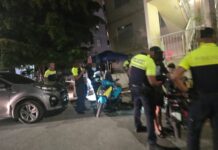
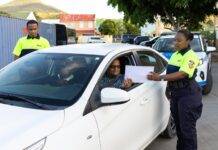
The Dutch side urgently needs more neighborhood-based traffic controls, with a strict focus on:
- Vehicle registration and road tax;
- Valid driver’s licenses;
- Insurance coverage;
- Inspection cards;
Other traffic violations can be addressed through warnings, except for illegal window tint and the obstruction of the number plates, which should be removed immediately on the spot.
The primary goal is simple: remove non-compliant vehicles from public roads
and compel owners to regularize their documentation. When vehicles are fully compliant, the government benefits directly through increased and guaranteed revenue.
Lose Your Car, Lose Your Legal Status
During the high tourist season, particularly when cruise ships are in port, individuals from neighboring islands frequently rent vehicles to engage in illegal “gypsy” taxi operations. Others use their personal vehicles for the same purpose. These individuals openly drop off tourists in town and collect payment as though they are licensed taxi operators.
This activity continues largely unchecked, not because it is unknown, but because enforcement priorities are misplaced.
A specific law must be enacted to address this issue. Anyone caught conducting illegal taxi operations should face:
- Immediate fines
- Prosecution in court
The prosecutor should be empowered to request judicial approval to auction the vehicle, or, if the vehicle is not roadworthy, order its destruction.
Individuals without valid work or immigration documents must be arrested and deported. Those holding legal or permanent residency should face the revocation of their status and removal from the country if found in violation. Legal residency is not granted for the purpose of engaging in illegal transport activities.
No one receives legal status to drive gypsy taxis.
Conclusion
Extra and sustained traffic controls are no longer optional – they are necessary. Proper enforcement will reduce congestion, restore order, protect licensed operators, improve public safety, and significantly increase government revenue. What is required now is political will, inter-ministerial cooperation, and cross-border collaboration.