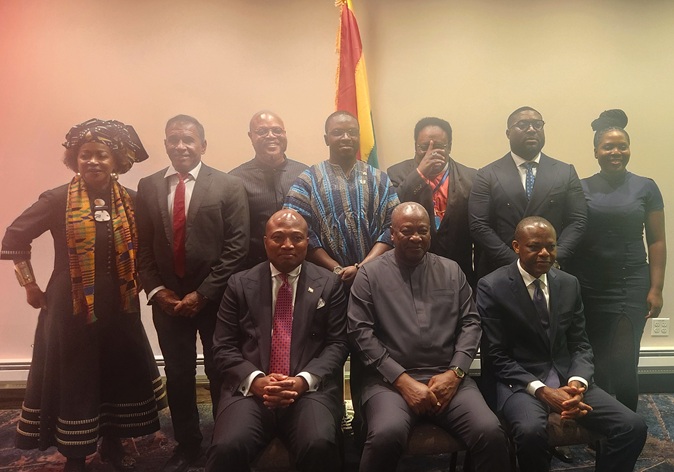
BONAIRE — A historic milestone has been achieved at the United Nations with the adoption by the General Assembly of the resolution: “Declaration on the Trafficking of Enslaved Africans and the Racialized Chattel Enslavement of Africans as the Gravest Crime Against Humanity,” led by Ghana and African States.
On the invitation of Ghana and the African Union, CARICOM and advisory members played a supportive role in the technical and advisory bodies shaping the resolution. The text of the resolution was informed by leading scholars from Africa and the Caribbean, including members of the CRC, reflecting a strong intellectual, legal, and historical foundation grounded in justice and truth.
Through its technical and advisory leadership, the CRC worked closely with the Ghanaian delegation under the leadership of Ghana president John Dramani Mahama. Key contributors included Hilary Beckles – CRC Chair, Verene Shepherd CRC Vice-Chair, June Soomer, and Gaynel Curry —also members of the United Nations Permanent Forum on People of African Descent.
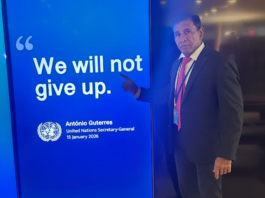
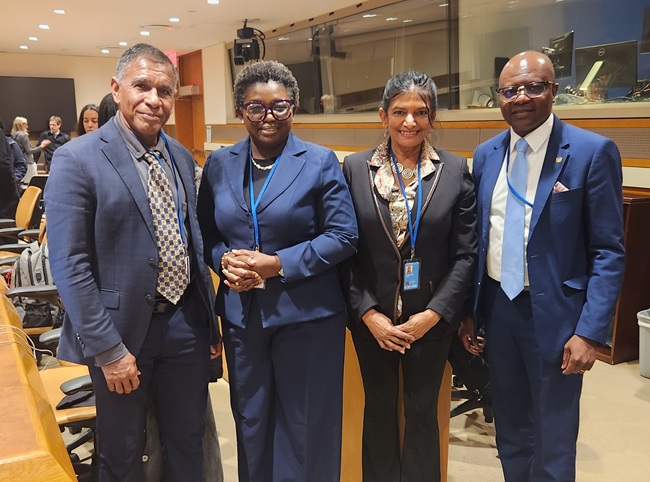
The negotiation process, held through six informal consultations from 5–16 March 2026, revealed significant divisions among Member States, particularly regarding the inclusion of the term “gravest.” Associated CRC members James Finies and Davika Bissessar Shaw were present at all sessions as observers, directly witnessing the intensity of the negotiations.
On 25 March 2026, the General Assembly adopted the resolution despite sustained resistance—primarily from European Union Member States and former colonial powers.
Vote Outcome: 123 in favor – 3 against – 52 abstentions

The pattern of abstentions underscores an ongoing reluctance by certain States, particularly members of the European Union, including former colonial powers, to fully acknowledge the legal and moral gravity of transatlantic chattel enslavement, and raises serious questions regarding the credibility of prior apologies
Significantly, the resolution explicitly recognizes the CARICOM 10-Point Plan for Reparatory Justice as a legitimate international framework, reinforcing the CRC’s leadership in advancing global reparatory justice and shaping multilateral policy responses to the enduring legacy of slavery and colonialism.
Ghana, African States, and CARICOM Caribbean co-sponsors—including Barbados, Antigua and Barbuda, Saint Kitts and Nevis, and The Bahamas—led the uncompromising advancement of the resolution, ensuring it was brought before the General Assembly for a democratic decision.
As echoed by Franklin D. Roosevelt and invoked by Ghana President Mahama, “Neutrality between right and wrong is to serve wrong.” This resolution represents a decisive step toward truth, accountability, and meaningful reparatory justice.
This historic adoption affirms a long-standing truth: transatlantic chattel enslavement constitutes the gravest crime against humanity. The CARICOM Reparations Commission played an important role and remains unwaveringly committed to advancing this recognition into concrete international action, including comprehensive reparatory justice.
Davika Bissessar Shaw – President Bonaire Human Rights Organization
James Finies – Human Rights Activist – Leader Partido Pueblo Progresivo
CARICOM Reparations Commission Associate Members Accredited to the United Nations