CAY HILL – The Mental Health Foundation (MHF), in collaboration with the Community Development, Family & Humanitarian Affairs (CDFHA) department of the Ministry of Public Health, Social Development and Labour, is proud to highlight the continued success and expansion of its Community Help Desk mental health initiative.
The project was designed to improve the accessibility and feasibility of delivering mental health care services within community-based settings. Following a formal collaboration agreement with CDFHA, the initiative was launched as a pilot program in June 2024, beginning with services at the Hope Estate Community Help Desk.
The project was intentionally introduced on a small scale, allowing for careful monitoring and evaluation. After its first year, a comprehensive assessment revealed overwhelmingly positive results, both for clients and service providers. These findings supported the expansion of services to additional help desk locations, reinforcing the project’s value as an innovative approach to community mental health care.
The initiative was guided by key objectives to enhance access to mental health services across three Community Help Desk locations, evaluate client response to receiving care in community-based settings, and explore opportunities for continued collaboration between MHF and CDFHA.
Throughout 2025, nearly 30 clients utilized the Community Help Desk locations for a range of services, including mental health counseling and emotional support, substance abuse support, assistance with domestic violence and family-related issues, as well as financial and employment support.
MHF clinicians, including psychologists and our occupational therapist, utilize these locations on a weekly basis, carefully scheduling sessions based on client needs and preferences.
Although MHF clinicians utilize the Community Help Desk locations to provide care, all clients are required to complete their intake process and initial session at the MHF facility in Cay Hill for administrative and assessment purposes. Not all clients are suitable candidates for community-based sessions and through consultation, the clinician determines whether sessions at these locations are appropriate based on the client’s needs and circumstances.
Feedback from clients has been highly encouraging. Many have expressed that accessing services closer to their workplace or community significantly reduces logistical barriers. Others noted that the added privacy of community-based sessions helps ease concerns related to stigma often associated with visiting a mental health facility.
The initiative has proven especially beneficial for school-aged clients in areas such as St. Peters, as well as individuals who may face transportation or mobility challenges, often seen in Dutch Quarter. Clients have demonstrated varied preferences, with some opting exclusively for help desk sessions while others prefer a hybrid approach between community locations and our Cay Hill location.
Staff feedback has also been positive, with clinicians reporting improved engagement and flexibility in meeting client needs within their own communities.
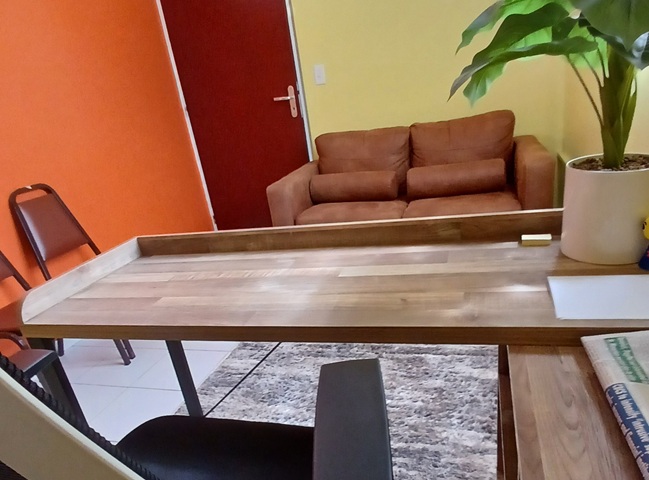
The Hope Estate location, furnished through a generous donation by Ashley’s Furniture, remains the most frequently utilized site, followed by St. Peters particularly due to its proximity to schools and working populations. While Cole Bay and Dutch Quarter locations currently experience lower usage, they remain available as options as demand evolves.
Each clinician schedules sessions based on community demand and client requirements, ensuring efficient use of resources while maintaining high standards of care.
Looking ahead, MHF and CDFHA are exploring opportunities to further enhance these spaces, including potential renovations to improve the environment and expand service capacity across all locations.
The success of this initiative underscores the importance of collaborative, community-driven approaches to healthcare. MHF remains committed to expanding its services in meaningful ways that prioritize accessibility, reduce stigma and meet clients where they are.
“This collaboration with CDFHA represents a significant step forward in how mental health care can be delivered within our communities,” says MHF Medical Director, Dr. Hendrikus van Gaalen. “We are encouraged by the positive impact seen over the past two years and remain dedicated to building on this foundation to better serve the people of Sint Maarten.”
“At CDFHA, we are deeply committed to strengthening support systems within our communities, particularly for individuals and families facing mental health and social challenges,” stated Acting Department Head of the CDFHA Kevin James. “Our partnership with the Mental Health Foundation reflects our shared vision of making care more accessible, approachable and responsive to the needs of our people. By bringing services closer to where individuals live, work and study, we are not only reducing barriers but also fostering a more supportive and inclusive environment for mental well-being across Sint Maarten.”